Electricity and heat
The power plants of Enefit Power provide 85% of the dispatchable generation capacity of Estonia and cover a significant share of the country’s electricity consumption
Dispatchable generation capacity is provided by the Eesti Power Plant (700 MW), the Balti Power Plant (185 MW), the Auvere Power Plant (270 MW) and Enefit-280 (20 MW). Enefit also owns the Iru combined heat and power plant (17 MW).

The island operation contract ensures that oil-shale-fired power plants remain operational even if they are unable to access the market
On 1 December 2025, Elering and Enefit Power signed a contract to ensure island operation capacity following a public procurement procedure. Under this contract, Enefit Power guarantees the supply of 1,036 MW of electricity to Estonia at all times.
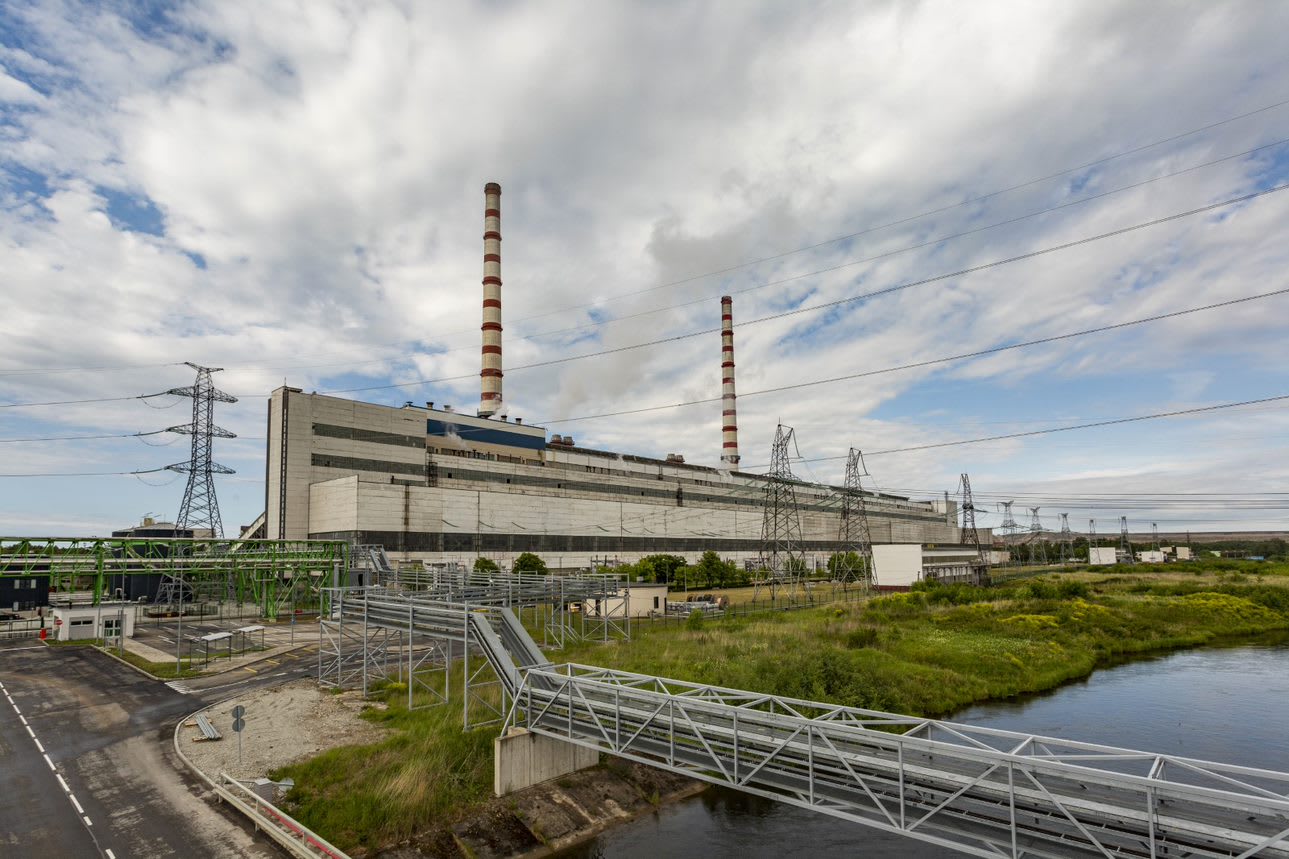
A hydrogen-capable power plant will be built on the site of the Balti Power Plant
A thermal power plant is scheduled for completion on the site of the Balti Power Plant in 2028 and will supply up to 100 MW of electricity to the electricity network and up to 85 MW of heat to the Narva district heating network. The plant will primarily generate energy from natural gas or biomethane, with the capability to use up to 25% hydrogen if required. The power plant will cost €100 million and is planned to be built in accordance with the frequency reserve procurement of Elering.
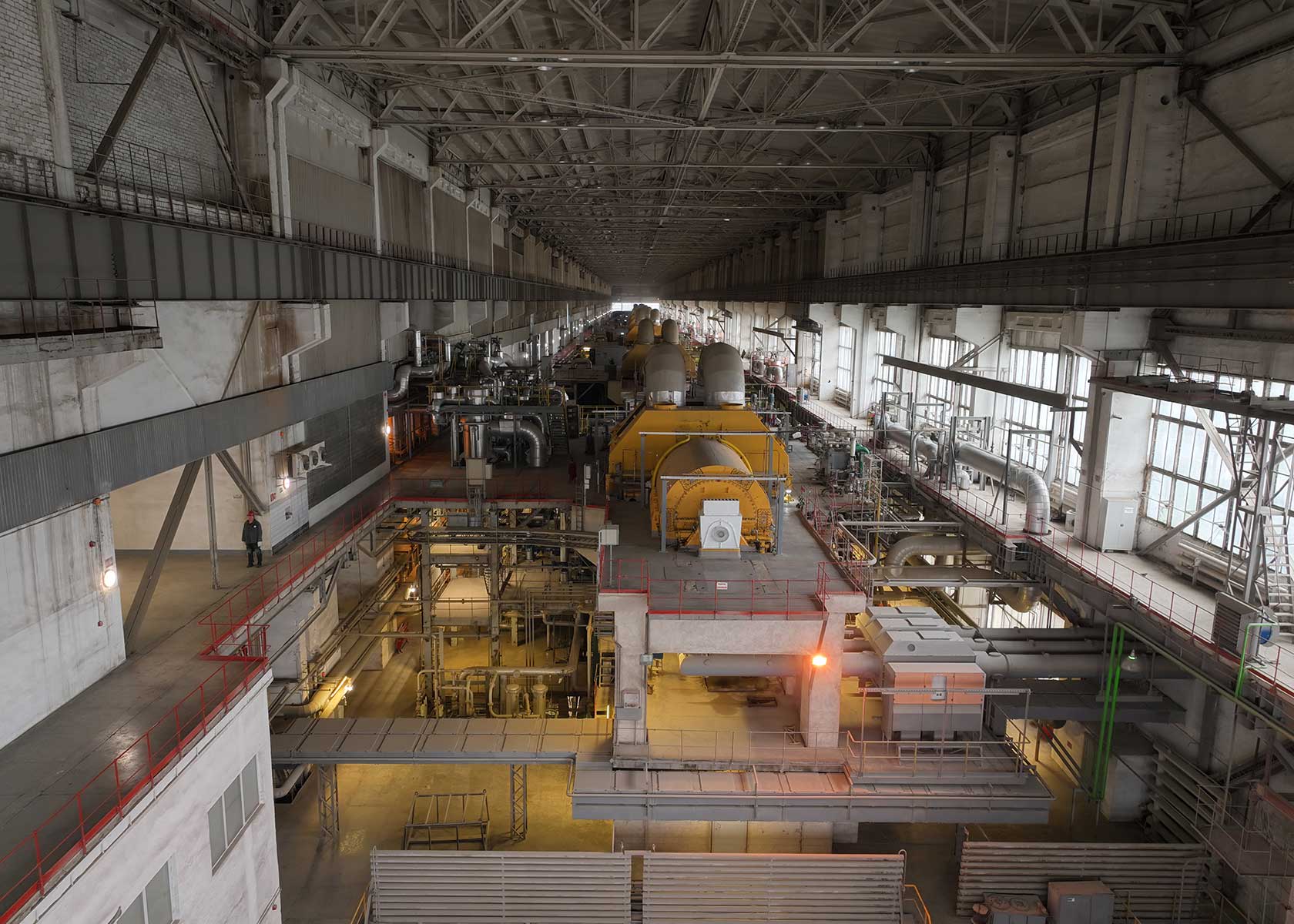
Facts about the electricity generation of Enefit Power
Enefit Power produces electricity from a variety of raw materials, including oil shale gas, which is a by-product of liquid fuel production.
Optimised modes of operation ensure that power plant emissions remain within the limits set by environmental standards.
For years, the combined heat and power generation mode of the Balti Power Plant ensured the lowest heat sales price in the City of Narva. Even today, the Balti Power Plant keeps the price of heat in Narva under control.
Construction of the Balti Power Plant began in 1956. The first boiler was commissioned at the end of 1959. If the power plant were a car, it would be nearly 70 years old today. Cars from 1959 include the GAZ-21 Volga and the ZAZ-965 Zaporozhets. No car, machine or technical device from the 1950s would be suitable for everyday use today – it would be too old and technically worn out – but the power plant still has to operate today, thanks in part to the high level of expertise and motivation of our employees to maintain the old but still necessary power plant in working order until new dispatchable capacity is launched.
Guiding Principles
Biomass used in Enefit Power production units
Biomass fuel / wood chips used at Enefit Power power plants (Auvere Power Plant, Baltic Power Plant, Estonian Power Plant).
| Year | Amount from Estonia (t) | Amount from Latvia (t) | Electricity produced (MWh) | Heat energy produced (MWh) |
|---|---|---|---|---|
| 2023 | 474,561 | 7,9 | 367,807 | 85,377 |
| 2024 | 461,624 | 9,371 | 382,796 | 85,318 |
| 2025 | 388,845 | 1,782 | 308,136 | 68,253 |